
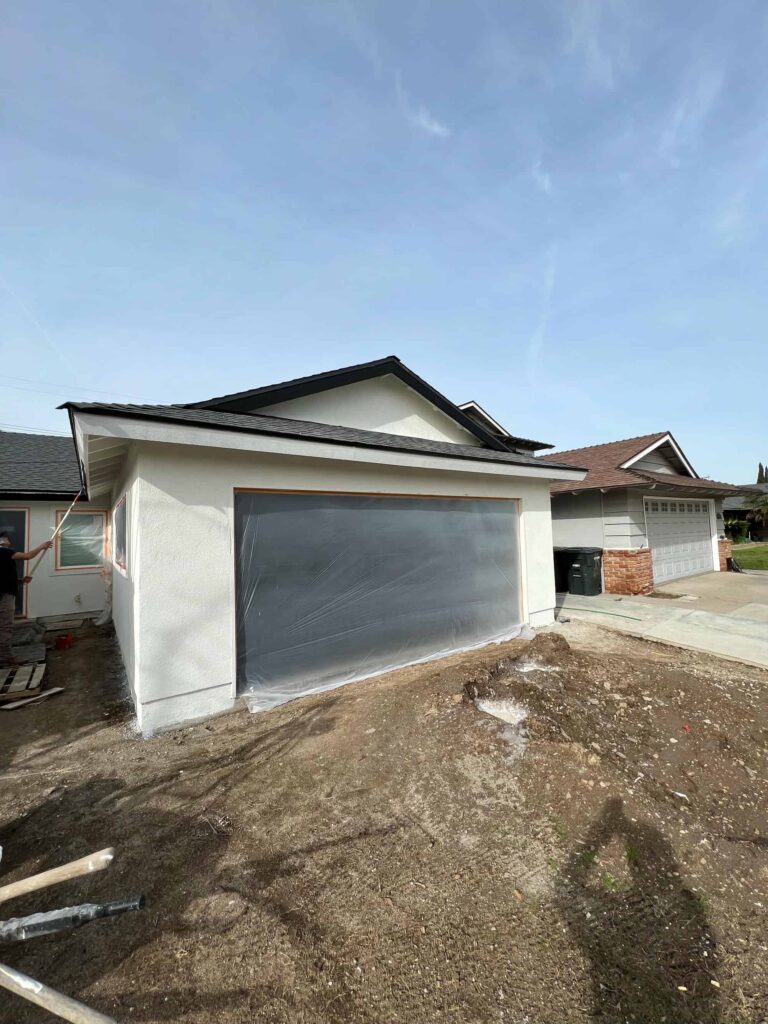
As families grow and lifestyle needs change, many Orange County homeowners begin looking for ways to create additional living space without moving. Two of the most popular solutions are Accessory Dwelling Units (ADUs) and home additions. While both options can increase usable square footage and improve property value, they serve different purposes and require careful consideration before moving forward with a project.
An ADU, often referred to as a granny flat, guest house, or secondary dwelling unit, is a separate living space located on the same property as the primary residence. Depending on the property and local regulations, an ADU may be attached to the home, detached in the backyard, or created through a garage conversion. These versatile spaces typically include a kitchen, bathroom, living area, and sleeping accommodations, allowing them to function as fully independent living quarters.
Home additions, on the other hand, expand the existing footprint of the primary residence. Rather than creating a separate living unit, an addition integrates directly into the home. Homeowners often choose additions to create larger kitchens, family rooms, primary suites, home offices, or extra bedrooms. This approach allows families to gain additional space while maintaining a unified layout throughout the property.
One of the primary factors homeowners should consider is the intended use of the new space. ADUs are particularly attractive for multigenerational living arrangements, long-term guests, adult children, or potential rental income opportunities. Because they function as separate living units, they provide privacy and flexibility that a traditional addition may not offer. In Orange County, where housing demand remains strong, many property owners view ADUs as both a lifestyle enhancement and a long-term investment.
Home additions may be a better fit for families who simply need more room within their existing home. If the goal is to create a larger kitchen, expand living areas, add bedrooms, or improve overall functionality, an addition often provides a seamless solution. Because the new space becomes part of the main residence, it can feel more natural for homeowners who want to maintain a single-family home environment without creating separate living quarters.
Budget considerations also play an important role in the decision-making process. The overall investment can vary significantly depending on project size, site conditions, design complexity, utility connections, and permitting requirements. While both ADUs and home additions require careful planning, each project presents unique construction considerations. Working with an experienced design-build contractor helps homeowners understand the costs, timelines, and requirements associated with their specific goals.
Another important factor is property layout. Some homes offer ample backyard space that may support a detached ADU, while others may be better suited for expanding the existing structure through an addition. Lot size, setbacks, zoning regulations, and local building requirements all influence what can realistically be built. Understanding these limitations early in the planning process can help homeowners identify the most practical and beneficial solution for their property.
Many Orange County homeowners are also focused on long-term property value. Both ADUs and home additions can enhance market appeal when properly designed and constructed. Buyers often appreciate flexible living arrangements, additional square footage, and modernized spaces that accommodate evolving family needs. The right project can improve daily living while strengthening the property’s long-term investment potential.
Permitting and regulatory requirements should never be overlooked. Although California has expanded opportunities for ADU development in recent years, local regulations still play a significant role in project planning. Home additions may also require permits, engineering reviews, and compliance with current building codes. Navigating these requirements can be complex, which is why homeowners often benefit from working with professionals who understand local approval processes and construction standards.
At DreamBuild Construction Group, we help Orange County homeowners evaluate both options through our comprehensive design-build approach. By understanding your goals, property characteristics, budget, and future plans, our team can recommend solutions that maximize functionality, comfort, and value. Whether you envision a private ADU for extended family members or a spacious home addition that transforms your living experience, proper planning is the foundation of a successful project.
Choosing between an ADU and a home addition ultimately depends on your unique needs and long-term objectives. Both options offer valuable opportunities to improve your home, create additional space, and increase property value. With thoughtful design and expert guidance, homeowners can make confident decisions that support their lifestyle today while preparing for future needs.